How to Design Digital Content That Performs in a Post-AI Search World

Search has changed. Keywords and backlinks alone no longer drive digital visibility. As AI-powered platforms reshape how people discover information, content must now be clear, structured, and usable by both humans and generative engines.

Welcome to the post-AI search world—where design, structure, and performance define discoverability.

FROM SEARCH ENGINES TO ANSWER ENGINES

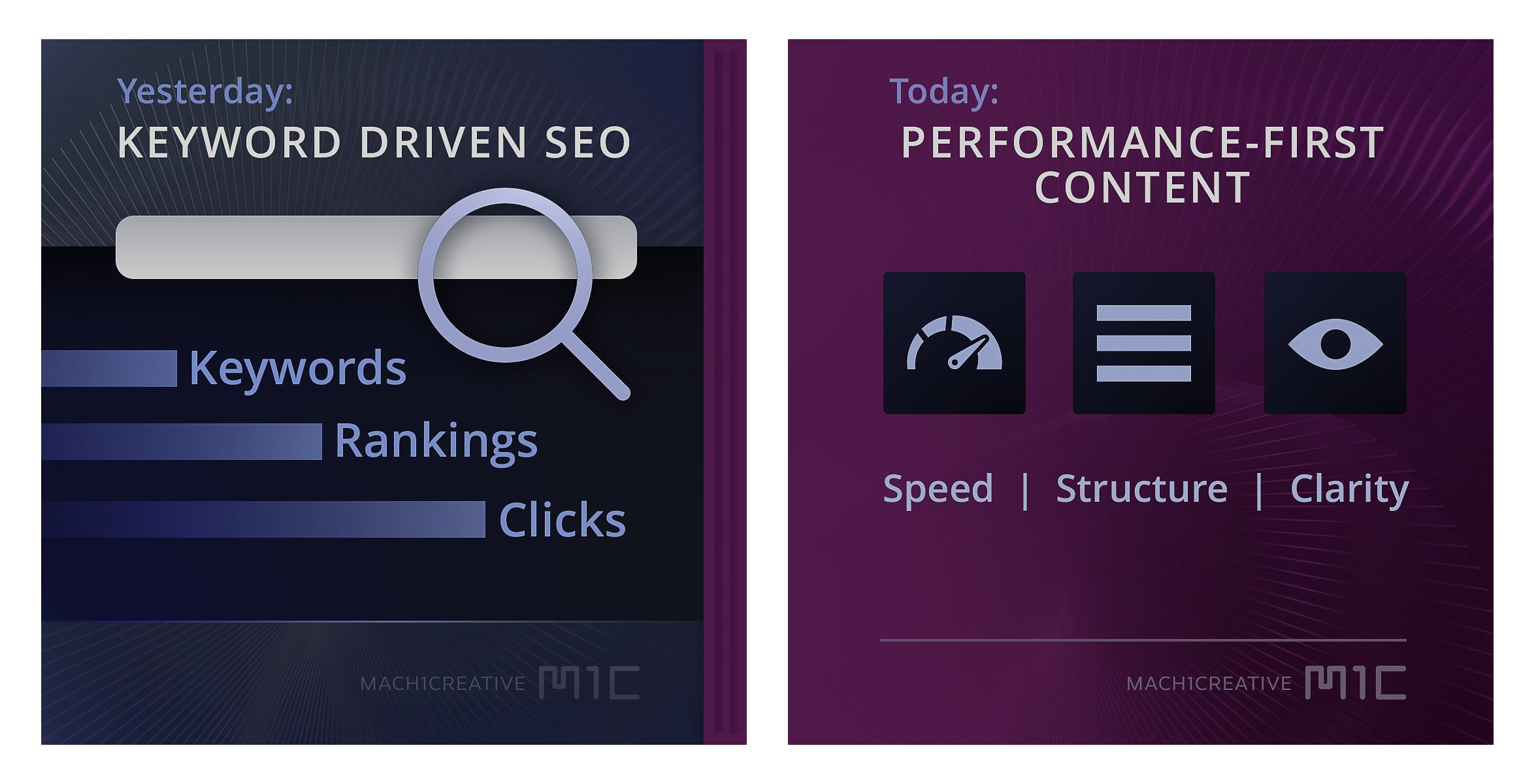
AI systems don’t “read” pages visually. They extract meaning from structure, clarity, and context. That means high-performing content must be:

  • Clearly organized and easy to interpret

  • Fast-loading and responsive across devices

  • Concise, authoritative, and easy to summarize

Performance is no longer just technical—it’s strategic.
WHY DESIGN IS NOW A SEARCH SIGNAL

Design directly affects how content is interpreted and surfaced by AI. Effective digital design includes:

  • Clear heading hierarchies (H1–H3)

  • Logical content flow

  • Readable typography and spacing

  • Visuals that reinforce meaning, not distract

Well-designed content communicates intent instantly—to users and AI systems alike.

Structuring Content for AI Readability

AI favors content that’s easy to extract and reuse. Best practices include:

  • Descriptive section headings

  • Short, focused paragraphs

  • Bullet points for key takeaways

  • FAQ-style content that answers real questions

Strong structure increases the likelihood of being summarized, referenced, and trusted.

Visuals Still Matter—When They Perform

Visual content remains powerful, but it must work harder:

  • Support clarity and comprehension

  • Load quickly and meet accessibility standards

  • Use meaningful alt text and descriptive filenames

Purpose-driven visuals improve understanding and performance.

Performance Is a Brand Signal

In an AI-filtered landscape, slow or bloated websites lose visibility. Speed and responsiveness signal:

  • Credibility

  • Professionalism

  • Respect for users’ time

Performance-first design is now foundational to branding and discoverability.

Measuring Success Beyond Clicks

As AI delivers answers directly, success extends beyond traffic:

  • Engagement quality

  • Time on page

  • Content reuse and AI visibility

Designing for clarity and authority ensures long-term relevance.

Designing for What’s Next

The future of digital visibility belongs to brands that align design, content, and performance into one system.

Mach1Creative helps brands build performance-first digital experiences designed for modern discovery. If your content was built for yesterday’s search rules, now is the time to rethink how it’s designed—for humans, AI, and what’s next.

Ready to future-proof your digital presence?

Why Performance-First Web Design Is Now a Branding Imperative

For years, web design focused on aesthetics—bold visuals, immersive motion, and eye-catching layouts. While visual appeal still matters, the digital landscape has changed. Today, performance is no longer just a technical metric; it’s a defining brand attribute.

In an environment where users expect speed, clarity, and responsiveness, how your website performs directly shapes how your brand is perceived.

The First Impression Has Changed

A website is often the first meaningful interaction someone has with a brand—and that impression is formed in seconds. Before users notice typography or color, they experience how fast the site loads, how smoothly it responds, and how easy it is to understand.

A slow or unresponsive website sends a clear message: the brand feels outdated or unreliable. No amount of visual polish can overcome that initial friction.

Performance Builds Trust

Performance communicates professionalism. Fast, responsive websites signal that a brand values users’ time, pays attention to detail, and operates with modern standards. In contrast, bloated pages and sluggish interactions erode trust—especially when competitors are only a click away.

From a branding perspective, performance equals credibility.

The Cost of Overdesign

Many performance issues stem from good intentions taken too far. Excessive animation, heavy media, third-party scripts, and complex layouts may look impressive in isolation, but together they undermine usability and dilute the brand message.

Effective design isn’t about adding more—it’s about making deliberate choices that support clarity and speed.

Performance-First Design Is Strategic Design

Designing for performance doesn’t mean sacrificing creativity. It means designing with purpose. Clear visual hierarchy, intentional motion, optimized assets, and mobile-first thinking create experiences that feel effortless and confident.

When performance is considered early—rather than patched in later—design becomes stronger, not simpler.

Performance Drives Business Results

Website performance impacts far more than user experience. It influences brand perception, engagement, conversions, and search visibility. Faster sites feel premium, keep users engaged longer, and make it easier for brands to achieve their goals.

Performance amplifies everything a brand is trying to accomplish online.

Speed Is the New Luxury

Luxury used to mean excess—large visuals, heavy effects, and complex interactions. Today, luxury feels different. It feels fast, seamless, and effortless.

A performance-first website communicates confidence. It shows that a brand understands its audience, respects their time, and knows how to operate in a fast-moving digital world.

Final Thought

Websites are no longer digital brochures—they are living brand experiences. When performance is prioritized, design becomes clearer, messaging becomes stronger, and brands become more credible.

In 2026 and beyond, performance-first web design isn’t optional—it’s a branding imperative.


Why Generative Engine Optimization (GEO) Is the New Frontier for Digital Marketing in 2026

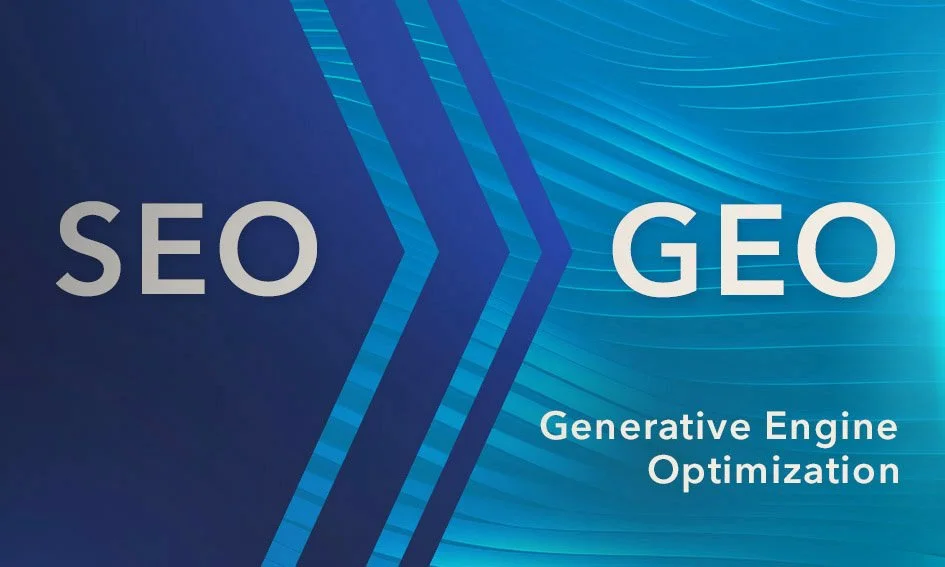
Digital marketing is entering a new era. As AI-powered tools like ChatGPT, Gemini, and other generative search platforms change how people discover information, traditional SEO alone is no longer enough. In 2026, brands that want to stay visible must begin optimizing not just for search engines—but for generative engines.

This shift has given rise to Generative Engine Optimization (GEO), a new approach to content strategy designed for AI-driven discovery.

What Is Generative Engine Optimization (GEO)?

Generative Engine Optimization focuses on structuring content so it can be easily understood, summarized, and referenced by AI systems. Instead of ranking a webpage among ten blue links, generative engines synthesize answers from multiple trusted sources—often without users ever clicking through to a website.

GEO ensures your brand, expertise, and messaging are part of those AI-generated responses.

GEO vs. Traditional SEO

While SEO emphasizes keywords, backlinks, and page rankings, GEO prioritizes:

  • Clear, authoritative explanations

  • Well-structured content with strong hierarchy

  • Context, credibility, and topical depth

  • Consistent brand signals across platforms

In short, GEO rewards clarity over keyword stuffing and expertise over volume.

Why GEO Matters in 2026

Search behavior is evolving rapidly. More users now ask conversational questions and expect direct, AI-generated answers. If your content isn’t optimized for generative engines, your brand risks becoming invisible—even if your website ranks well today.

Businesses that adopt GEO early gain:

  • Increased brand visibility inside AI responses

  • Stronger authority in their industry

  • Content that remains relevant as search continues to evolve

How Brands Can Start Optimizing for GEO

Here are a few practical ways to prepare your content for generative engines:

  • Write content that directly answers real customer questions

  • Use clear headings, bullet points, and concise explanations

  • Establish authority with original insights, experience, and data

  • Align design, messaging, and structure for readability and trust

GEO isn’t just a content strategy—it’s a collaboration between strategy, design, and digital marketing.

The Role of Design in GEO

Well-designed content matters more than ever. Clean layouts, strong visual hierarchy, and thoughtful UX help both humans and AI systems understand your message faster. In a generative search world, design supports discoverability just as much as keywords once did.

Looking Ahead

Generative Engine Optimization is not replacing SEO—it’s expanding it. Brands that adapt now will be better positioned as AI continues to shape how people search, learn, and make decisions.

At Mach1Creative, we help businesses future-proof their digital presence through strategic design, content, and marketing built for what’s next—not just what worked yesterday.

Graphic Design & Digital Marketing Services in Santa Barbara, Ventura, and Los Angeles

Businesses across Santa Barbara, Ventura, Westlake Village, Thousand Oaks, and Los Angeles are competing in increasingly crowded markets—and strong visual communication has never mattered more. At Mach1Creative, we help brands stand out with strategic graphic design and digital marketing services built for growth.

From brand identity and logo design to web design, motion graphics, and marketing collateral, we partner with organizations that need creative support that moves fast and delivers results. Whether you’re a local business in Ventura County, a professional services firm in Westlake Village, or a growing brand in Los Angeles, our work is designed to connect with your audience and drive action.

Mach1Creative acts as an extension of your marketing team—providing flexible, high-quality creative services without the overhead of a full in-house staff. Our experience spans print, digital, video, and SEO-focused design, ensuring consistency across every touchpoint where your brand appears.

If you’re looking for a graphic design and digital marketing partner in Santa Barbara, Thousand Oaks, or Los Angeles, Mach1Creative delivers clarity, speed, and creative that works.

Let’s build something that gets noticed.